
Mutek 2025 Hightlights

This month’s 2025 edition of Mutek is in full swing. We particularly enjoyed London-based Harry Yeff’s talk on his research regarding creative applications for A.I. and machine learning. He focuses on performance, vocal experiments, and digital installations. He seamlessly gets in there between the human voice and technology, challenging conventional boundaries and promoting human-machine collaboration.

And mad respect for Kalmyk-American poet and language artist Sasha Styles whose award-winning work “bridges tradition and innovation through hybrid poetics, generative imagination, and collaborative intelligence. Her transmedia practice reframes poetry as both art and technology — a means of encoding experience across time — and blends word, image and algorithm to explore human voice in a digital age.”

.

And it is worth mentioning Phoebe Greenberg’s immersive project Blur, a mixed-reality theatre experience that explores this liminal state between life and death, fact and fiction. Greenberg teamed up with famed contemporary dance choreographer Edouard Lock. We only saw glimpses of it as it will premiere at La Biennale di Venezia next week.

And last but not least: props to Mexican-Canadian artist Rafael Lozano-Hemmer who gave a brilliant talk on his body of work.
Tyler Cowen: How AI is Changing Writing

“Tyler Cowen, an economist and writer, talks with me about how AI is changing writing and research. He explains a practical approach to using AI tools while maintaining your own voice and the ways he incorporates LLMs into his daily work. We talk about how people will be writing fewer books in the future and how he believes truly human writing will stand out among AI-generated content.”

Natasha’s Lyonne’s AI Film: Uncanny Valley To Use ‘Ethical’ AI and Traditional Filmmaking Techniques

We are posting this video because we believe strongly in AI ethically generated content.

Back in April, AI production studio Asteria announced its first live-action feature, Uncanny Valley, which will also mark the directorial debut of studio co-founder Natasha Lyonne (Poker Face, Russian Doll).

The film will be created using a blend of AI tools and traditional filmmaking techniques.

Asteria positions itself as an “artist-led, ethical AI film and animation studio.”

Daniel Duranleau’s Short, WINKIE, Clear Standout at Fantasia

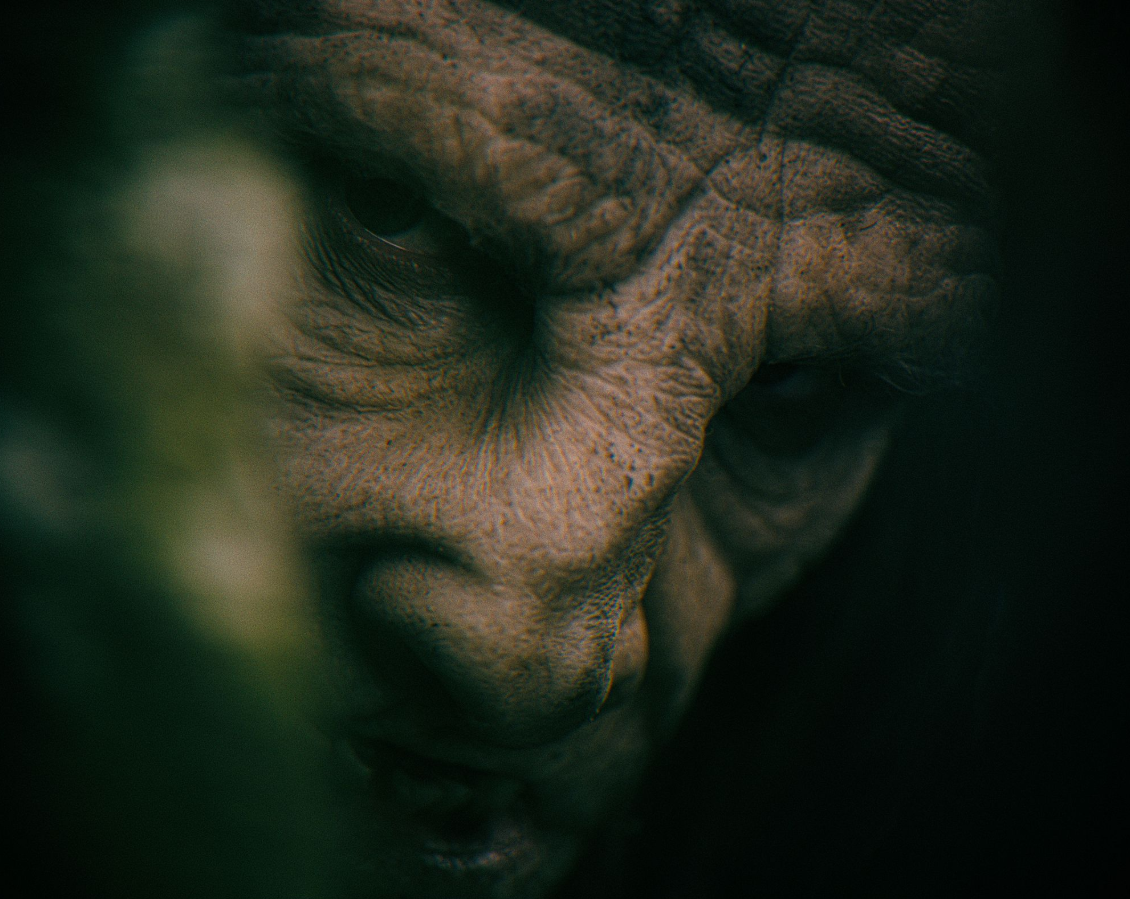
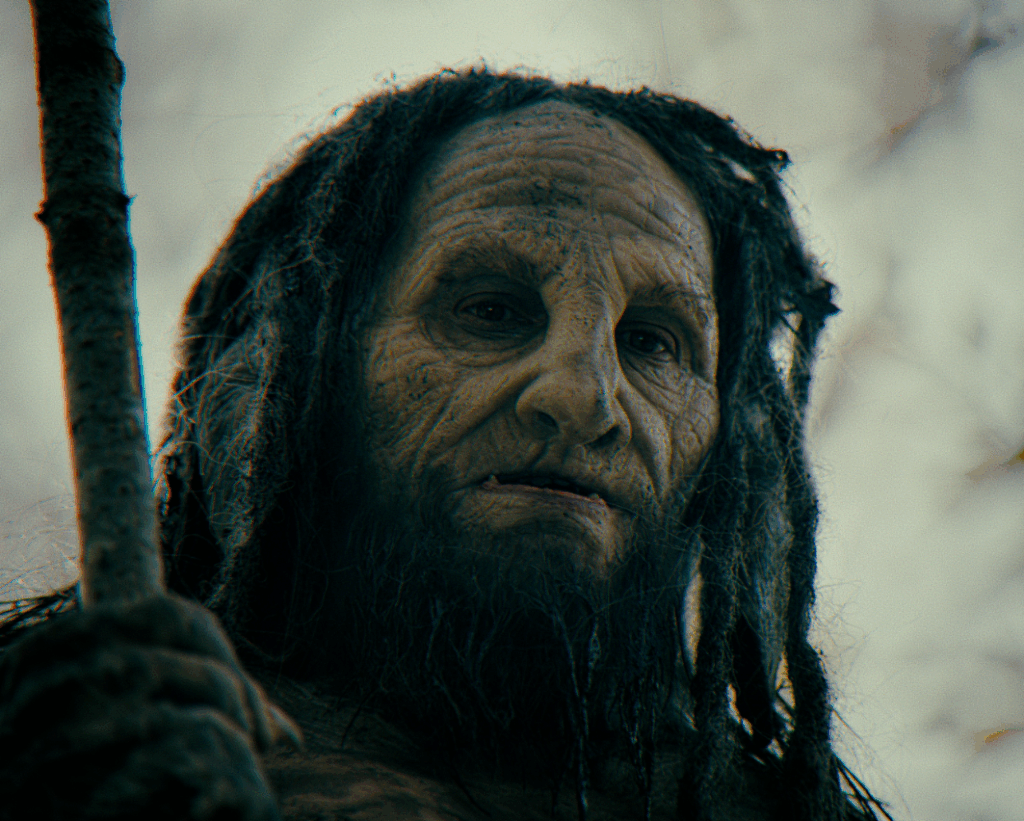
Director Daniel Duranleau’s WINKIE is a clear stand out at Fantasia so far.

After discovering a young orphaned girl, a caring monster takes it upon himself to raise the child and make sure she stays out of harm’s way by any means necessary. It is one of the best shorts we’ve seen in a long while. From story-building, to makeup, costume design, production design, on to acting (no dialogue), it checks all the boxes.

Cast: Martin Dubreuil, Arlette Dubreuil, Éléonore Loiselle, Marie-France Marcotte, DOP: Simran Dewan, Glauco Bermudez, Editing: François Larochelle,Sound design: Casey Brown, Set design: Justin Lalancette, Music: Abèle Kildir, Special FX Makeup: Bruno Gatien, Production: Daniel Duranleau (Porte 7).

Daniel Duranleau is a Canadian filmmaker who has been active on the Quebec film scene for over fifteen years. Great defender of the poetic value of movies, he shapes his cinema with fantastical imagery in order to tackle themes that are dear to him: the human psyche, family relationships and power dynamics. Following on his short film “Mizbrük” (2015), “Winkie” is the second installment of an anticipated trilogy of films about monsters.

Echo Hunter: First SAG-ACTRA Production Sanctioned in AI – Watershed Moment?

When Echo Hunter launched at AI on the Lot last May, it wasn’t just an adeptly done sci-fi short, it was Genre Film’s AI Moment.

Produced by Phantom X and approved by both SAG and ACTRA, it became the first generative AI film to cross a line many in Hollywood weren’t sure even existed: one that blends real human performance with AI generation, in a way that both unions and creators could live with.

In a post-strike landscape where AI is viewed as both opportunity and adversary, Echo Hunter lays provocative groundwork. The question it raises isn’t just can AI be used ethically—but how can it be used to amplify, rather than replace, human creativity?

To us, Phantom X’s amazing outing further proves that there’s logic—and a future—in making things with AI. Director Kavan Cardoza, aka Kavan the Kid, lead a lean three-person team and a hybrid workflow that fused traditional performance capture with cutting-edge generative tools and platforms like Arcana and Runway. Phantom X created custom models of real actors—preserving their likenesses, vocal tone, and movement—while augmenting their performances using AI. The result is a visual and tonal hybrid that is credibly and intensely eye-catching.

Getting SAG approval meant not just protecting actors’ rights, but designing an entirely new category of production. That’s to say nothing of the score which was also enhanced by AI. Composer Miguel Johnson provided several AI tracks that resulted in an effective soundscape.

But what truly sets Echo Hunter apart isn’t just the legal precedent or technological innovation—it’s the finished product. In the last month alone, the short has racked up several hundred thousand views. It’s good. Really good. And that matters.